A library that became a kennel — and stayed a library.
Nine years, one breed, and a rule that has never changed: never more puppies than we can know by temperament.
My grandfather's cabinet never really changed its calling.
My grandfather, Rémi Prévost, spent forty years binding and selling rare books on rue Sainte-Ursule. He called the great ground-floor room "the cabinet" — floor-to-ceiling shelves, worn leather armchairs, a smell of leather and paper that never quite leaves.
When I inherited it, I hadn't planned to breed dogs there. It was Montaigne, my first ridgeback, who decided for me: he slept under the big desk, between two stacks of inventories, and I thought a dog that calm deserved descendants.
Nine years later, litters are still born in the cabinet. Puppies learn the stone staircase before they leave, they grow up to the sound of turning pages, and we name every one of them after a writer — Byron, Brontë, Keats — the way you'd enter a name in a ledger.
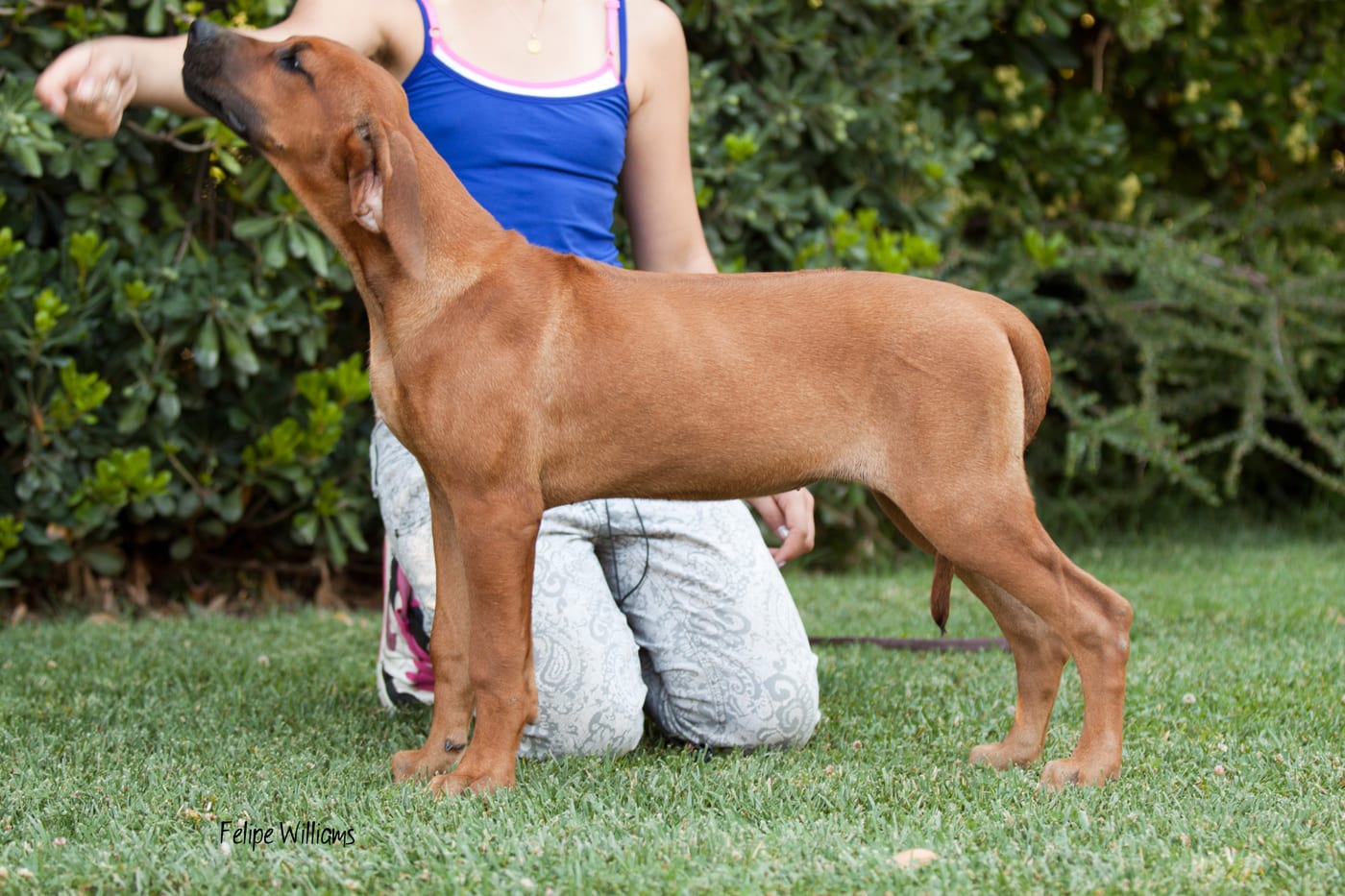
Breeding the way you keep a ledger.
Three principles that govern every decision, from choosing the parents to the day a puppy leaves.
Documentary rigour
Every breeding dog, every litter, every screening result is recorded. Nothing rests on memory; everything is written, dated, signed.
In practice: the Cabinet's ledger is shown to any family who asks, even before a reservation.
One volume at a time
A single litter a year. Not for lack of demand — it far exceeds our capacity — but because a second litter at the same time would divide the attention each puppy receives.
In practice: the waiting list sometimes runs past a year. We say so from the first exchange.
Temperament above all
The Rhodesian Ridgeback isn't a dog for everyone: independent, reserved, occasionally stubborn. We turn down more families than we accept.
In practice: the interview always comes before the visit, and the visit always comes before a reservation.
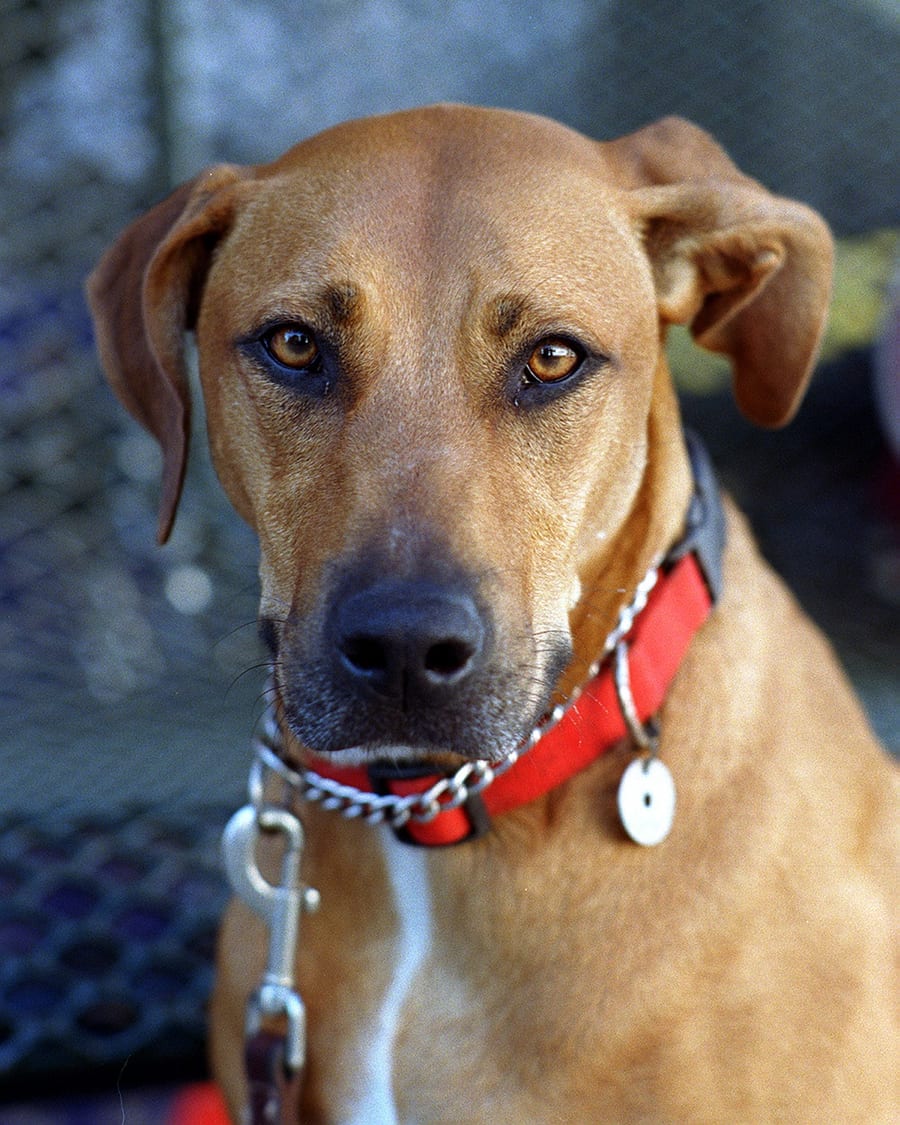
From the streets of Old Québec to the Plains of Abraham.
A ridgeback needs far more than a yard. Our dogs walk every day through the cobbled streets of Old Québec — past tourists, bicycles, church bells — then run off-leash on the Plains, ten minutes away on foot.
That double life, urban and wild, shapes a dog that's calm in the city and full of drive outdoors. It's also the best socialization there is: few puppies meet so many strangers, sounds and surfaces before they've even left home.
Visitors who still come to consult my grandfather's remaining shelves of rare books often find a litter asleep by the wood stove. No one has ever minded.
Come see the cabinet before you decide.
We welcome families by appointment, even without a firm plan. You'll see where the puppies are born, meet Montaigne, and get to ask the hard questions.
One piece of advice, even if you don't adopt from us: be wary of a breeder who won't show you where their dogs actually live. It's the most reliable signal there is.